NATIONAL COWORKING COMMUNITY
A long-term partnership exploring how adaptive reuse, flexibility, and hospitality can redefine coworking.
VARIOUS LOCATIONS
-
WSA has partnered with a national coworking organization across multiple locations to transform underutilized buildings into flexible, community-centered workplaces. This ongoing body of work examines how architecture and interior environments can support entrepreneurship, evolving work patterns, and social connection while remaining financially and operationally adaptable.
Each project begins with an existing condition—often a constrained footprint, aging building stock, or incomplete shell space—and reframes it as an opportunity. Rather than applying a fixed prototype, the work establishes a consistent spatial framework that can be tailored to local context, market conditions, and building constraints. Across locations, the design approach prioritizes adaptability, efficient planning, and the careful integration of shared amenities.
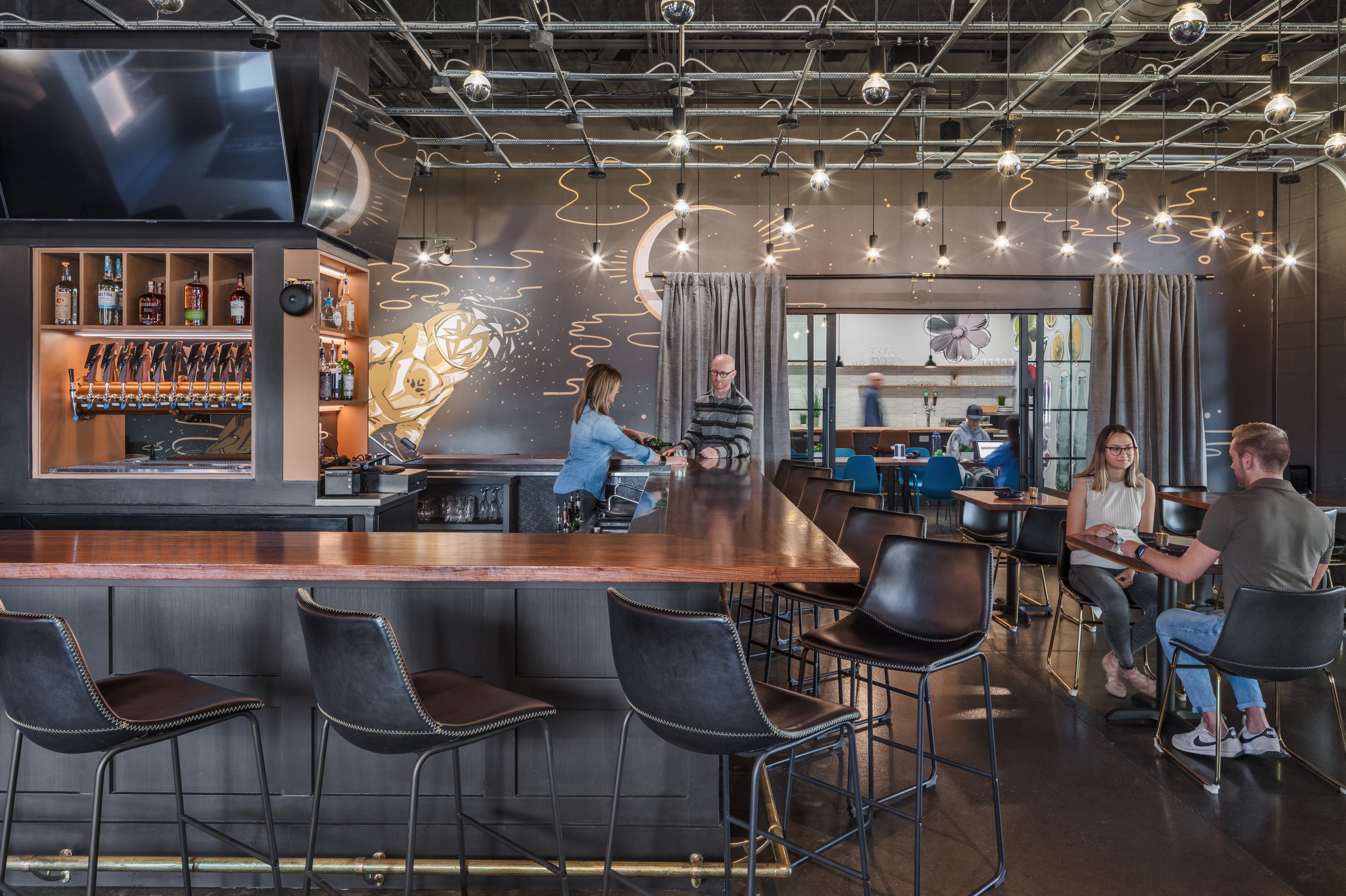
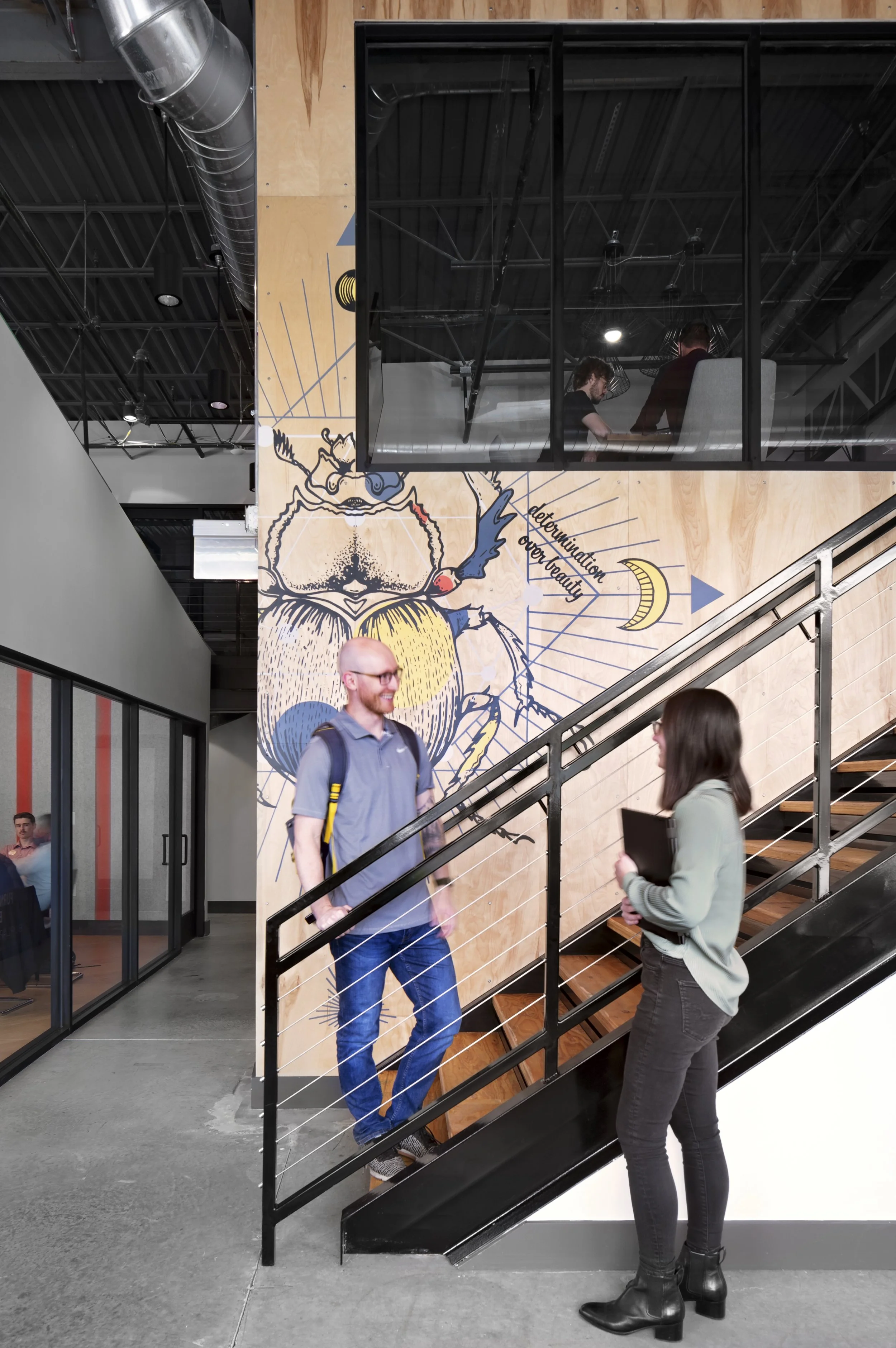
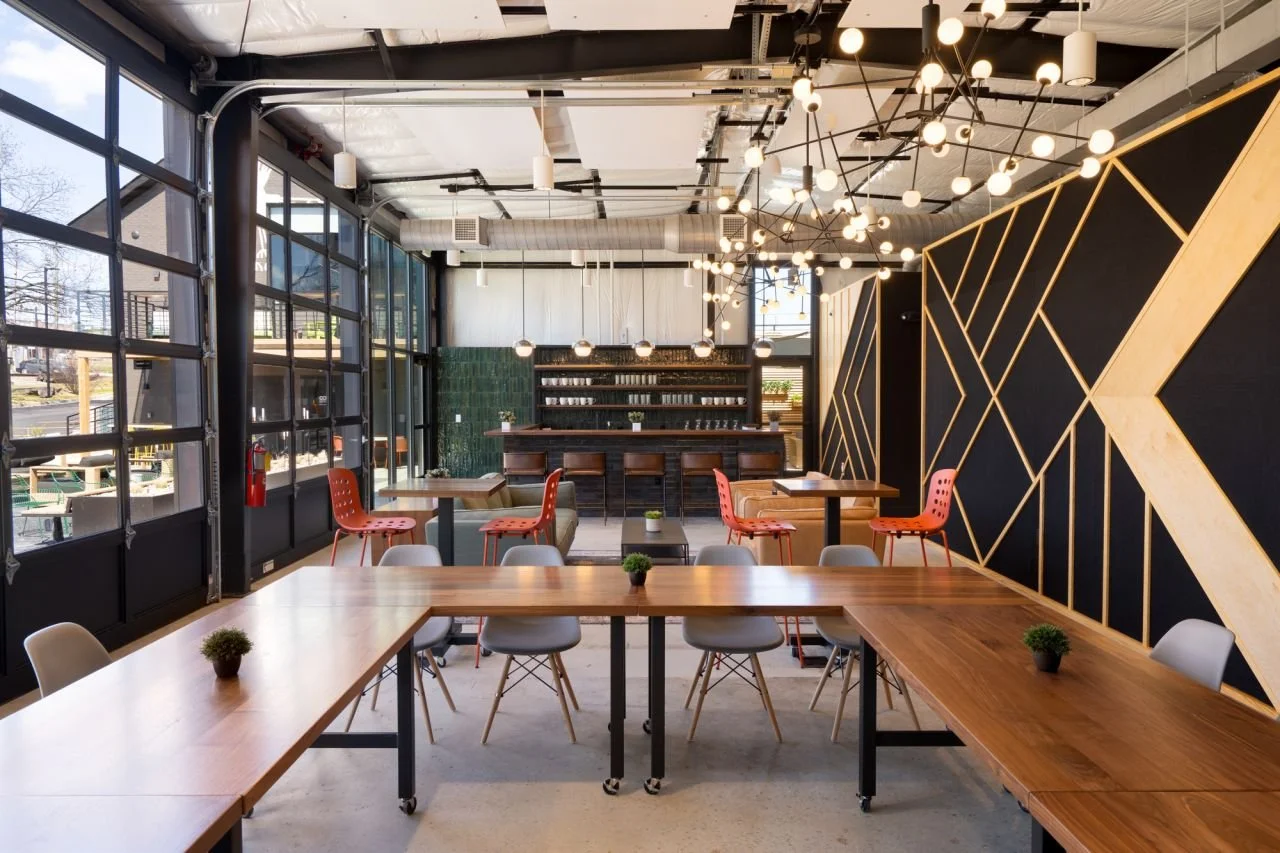
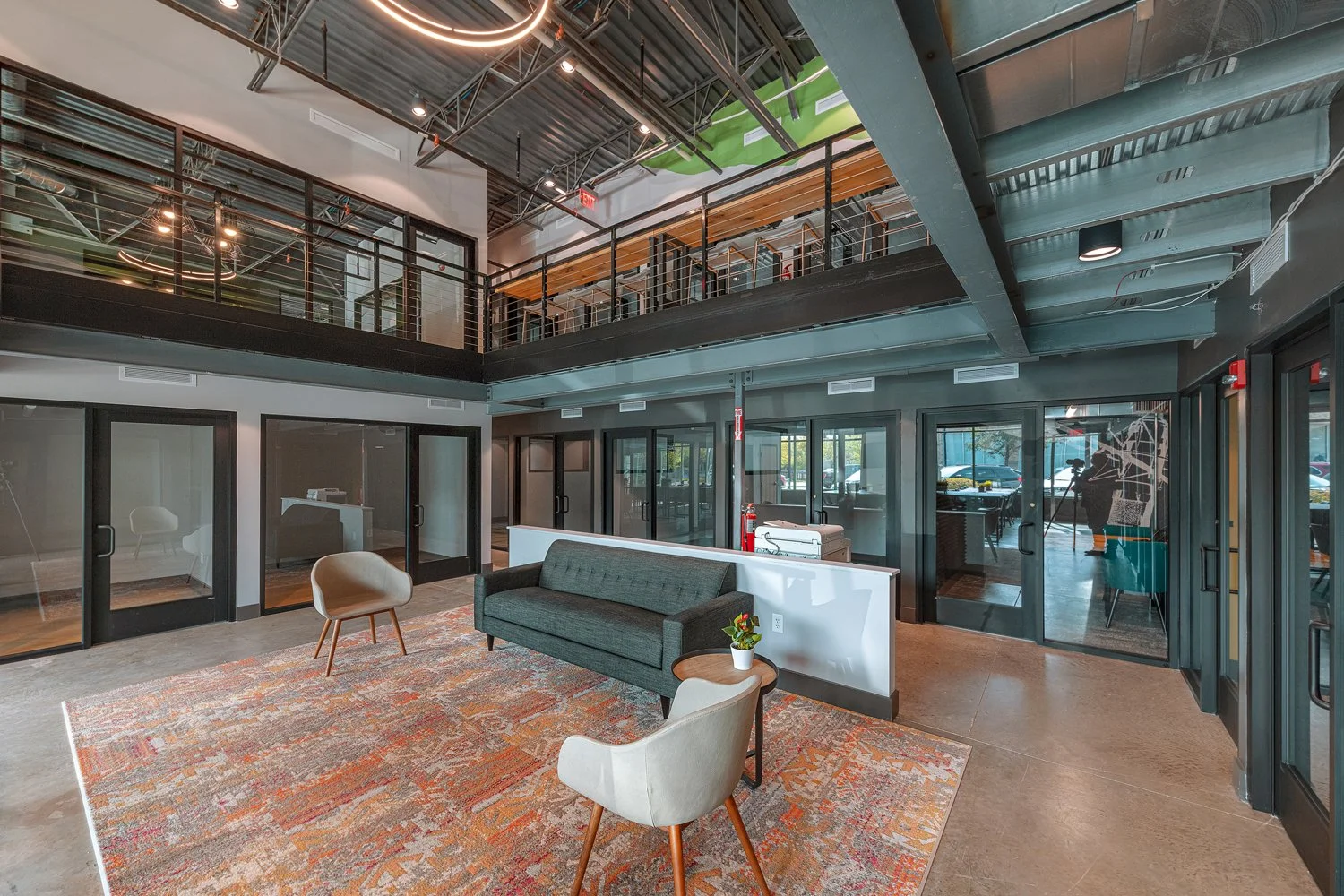
Interior environments balance open coworking areas with private offices, meeting rooms, amenities, and informal gathering spaces. Circulation and communal zones are deliberately positioned to encourage overlap between users, reinforcing a sense of shared experience without compromising individual focus. Mezzanines, flexible partitions, and mobile furnishings are employed where appropriate to maximize usable area and allow spaces to shift between daily work and larger events.
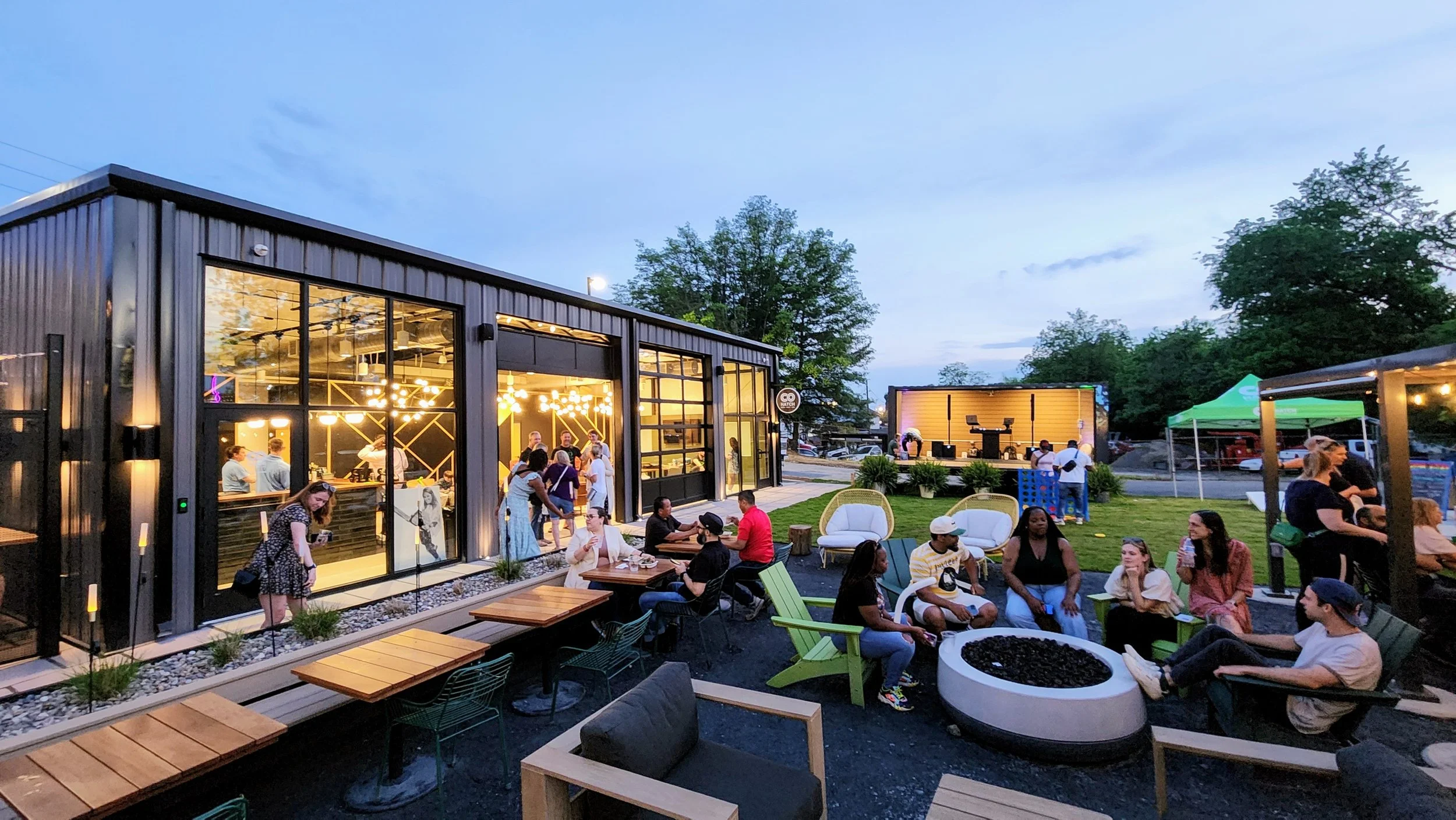
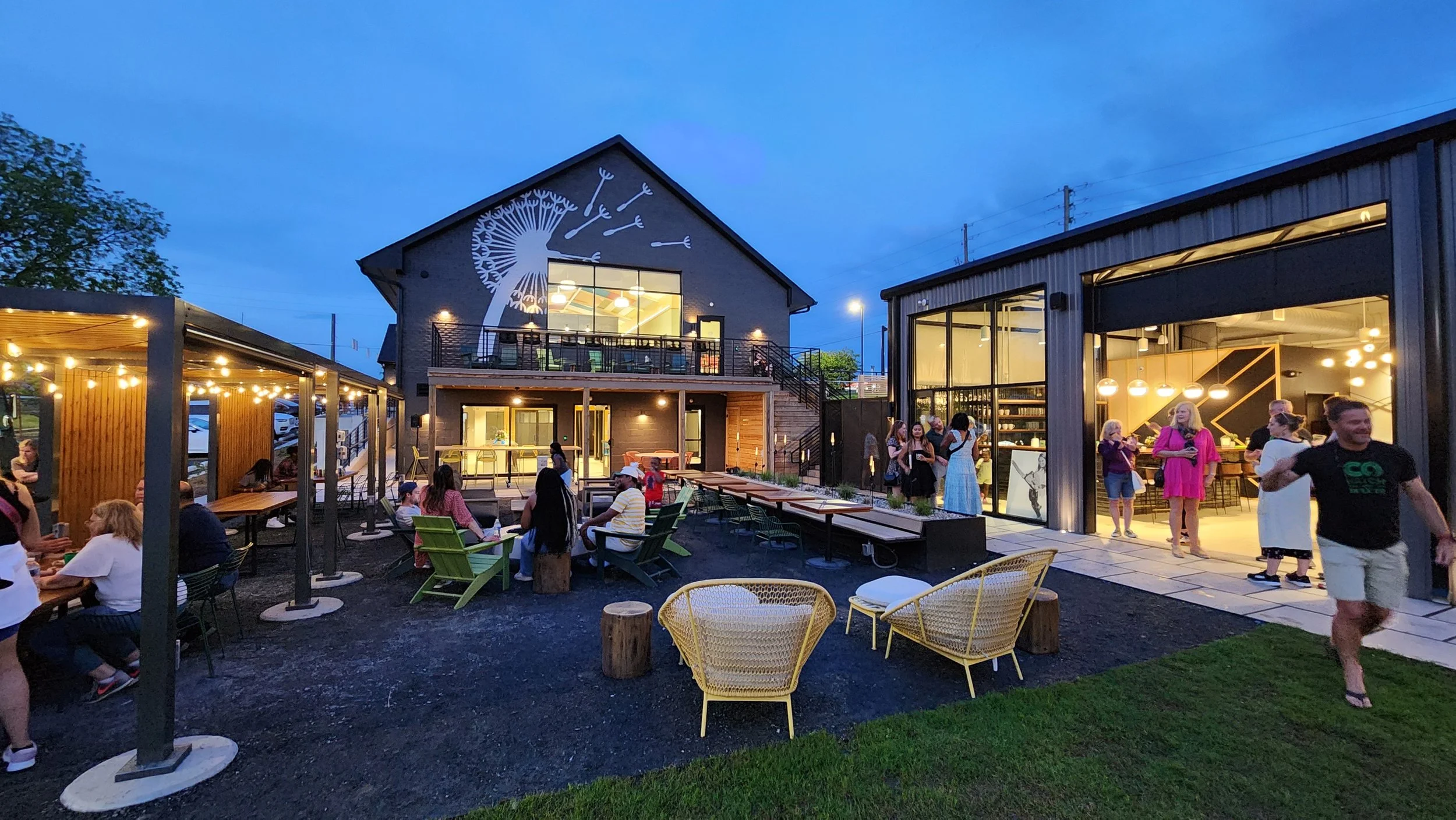
Several locations extend the workplace beyond the building envelope, incorporating patios, decks, and outdoor gathering areas. These exterior spaces function as informal work zones, social spaces, and community venues, strengthening the connection between the coworking environment and its surrounding neighborhood. The relationship between indoor and outdoor space is treated as integral to the overall workplace experience rather than an accessory.
Across markets, the completed spaces support a wide range of users—from individuals and small teams to growing organizations—while maintaining operational flexibility over time. Taken together, this body of work reflects an approach to coworking that prioritizes reuse over replacement, adaptability over prescription, and community engagement as a core design driver.